7 tips to know before driving in Iceland
1. Petrol stations are self-service
All of the petrol stations we came across in Iceland were self-service and ‘pre-pay’. This is where you tap or insert your card at the pump, select an amount and then fill up, without needing to go inside the station or speak to anyone.
Because you won’t know exactly how much fuel you’ll need, it’s best to select a little more than you expect to spend. If you choose too little, the pump will stop once you reach that amount. However, if you select too much, you’ll only be charged for the fuel you actually use. If you’ve filled up at Costco before, it’s the same system.
The amount you select will appear as a pending charge on your card before being adjusted to the final amount. This can take up to 24 hours, so make sure you have enough available balance on your card to cover the higher amount.
We were always able to change the payment screen to English, but it’s still good to know that ‘bensín’ means petrol.
Some petrol stations are standalone, while others have a small shop attached, like a typical service station. If you’re picking up some food or drinks I’d recommend grabbing a hot dog, can of Appelsín (this is an Icelandic orange soft drink) and a Prince Polo (one of the most popular chocolate bars).

2. You’ll need to pay for parking
Paid parking was something that never crossed my mind before our Iceland road trip, but we ended up paying at quite a few of the attractions we visited.
We found that some places with larger tourist facilities, like Gullfoss Falls and Strokkur Geyser, offered free parking. But, several places that had fewer facilities charged for parking – including Reynisfjara, Sólheimajökull, Seljalandsfoss waterfall and Kirkjufell.
The way you pay for parking also varied. Some places had parking meters while others had signs with a QR code that takes you to an app or online payment page. We also noticed cameras at a few locations that scanned our number plate as we entered the car park.
In total we spent 3,100 ISK on parking.
3. The Ring Road has only one lane in each direction
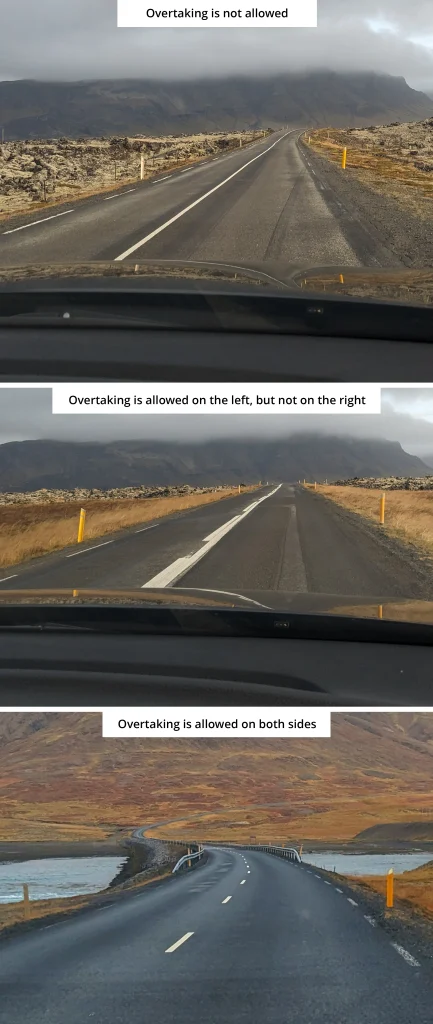
Another thing we didn’t expect was that most of Iceland’s Ring Road has just one lane in each direction. This will mean you’ll likely get stuck behind slower drivers (or tractors), so it’s worth allowing a little extra time on longer drives.
Overtaking is allowed when there are broken lines on the road but like driving anywhere you should only overtake if you can clearly see the road ahead with no traffic coming the other way and never on a bend in the road.
Overtaking is allowed where there’s broken lines on the road, but as with driving anywhere, you should only overtake when you have a clear view and there’s no oncoming traffic. Never try to overtake on a bend.
It’s also worth thinking about your own speed when other cars are behind you – you’ll be tempted to slow down to take in the scenery but try to keep a steady pace.
4. Hold onto your car doors
I saw this tip mentioned a lot before our trip, but I still wanted to include it because we were shocked by just how strong the wind can be.
Strong winds can catch your car door as you open it, so it’s really important to make sure you’re firmly holding onto the handle. When we were driving around the Snæfellsnes Peninsula, the wind was so strong that we had to use both hands to hold onto the doors when we were getting in and out.
It’s also worth knowing that many car hire companies don’t cover damage caused by wind catching the car doors. We saw warnings about this when booking and there was a sticker on our dashboard reminding us to hold onto the doors when opening them.
5. Drive on the right
This is for anyone who’s used to driving on the left, like those of us from Australia or the UK.
If it’s your first time driving on the right, I’d recommend hiring an automatic car. It will give you one less thing to think about while you adjust to driving on the opposite side of the road.
If you’re worried about accidentally driving on the wrong side, one trick my partner and I found helpful was remembering that the driver should always be closest to the centre of the road, while the passenger should be closest to the edge.
6. Make sure you have sunglasses
This sounds strange since Iceland isn’t known for sunny weather, but when the sun did come out, we found the glare was surprisingly strong. We noticed it most after it had been raining, when the sunlight reflected off the wet roads, dark lava fields and black sand which made it harder to see.
7. Understand the different types of roads
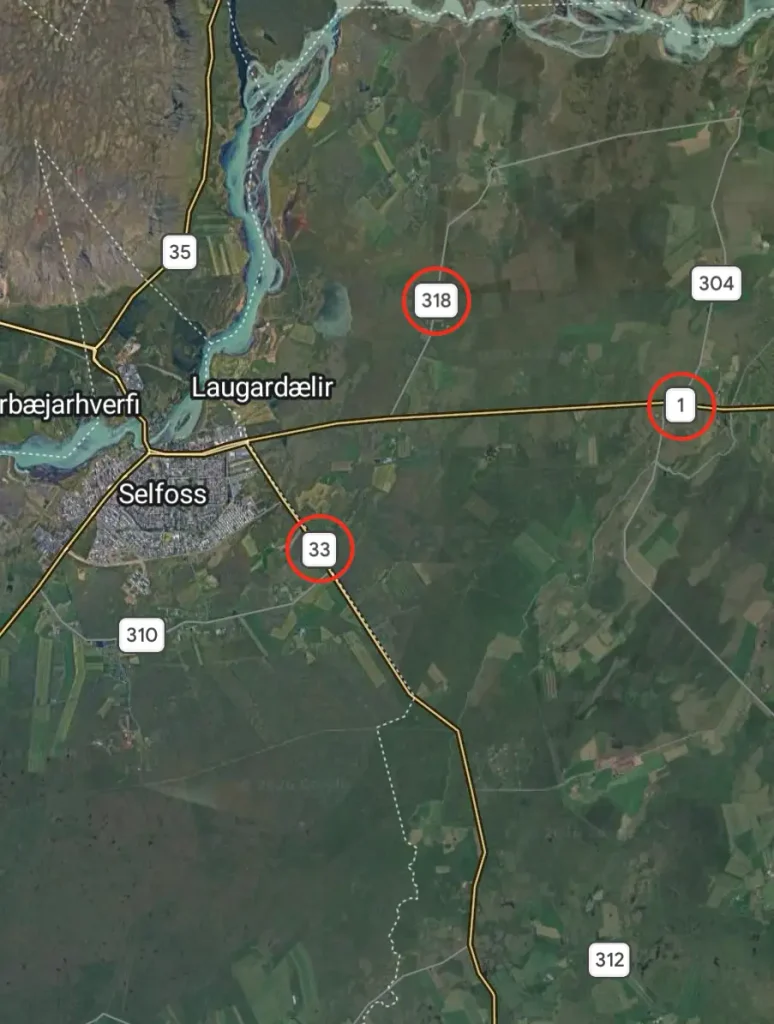
Iceland’s roads are numbered, which makes it fairly easy to understand once you know what the numbers mean.
Road 1 is the Ring Road, which loops around the whole country and is the road you’ll typically spend most of your time driving on. Roads numbered from 2 to 99 are main roads, while roads numbered 100 and above are smaller regional or local roads.
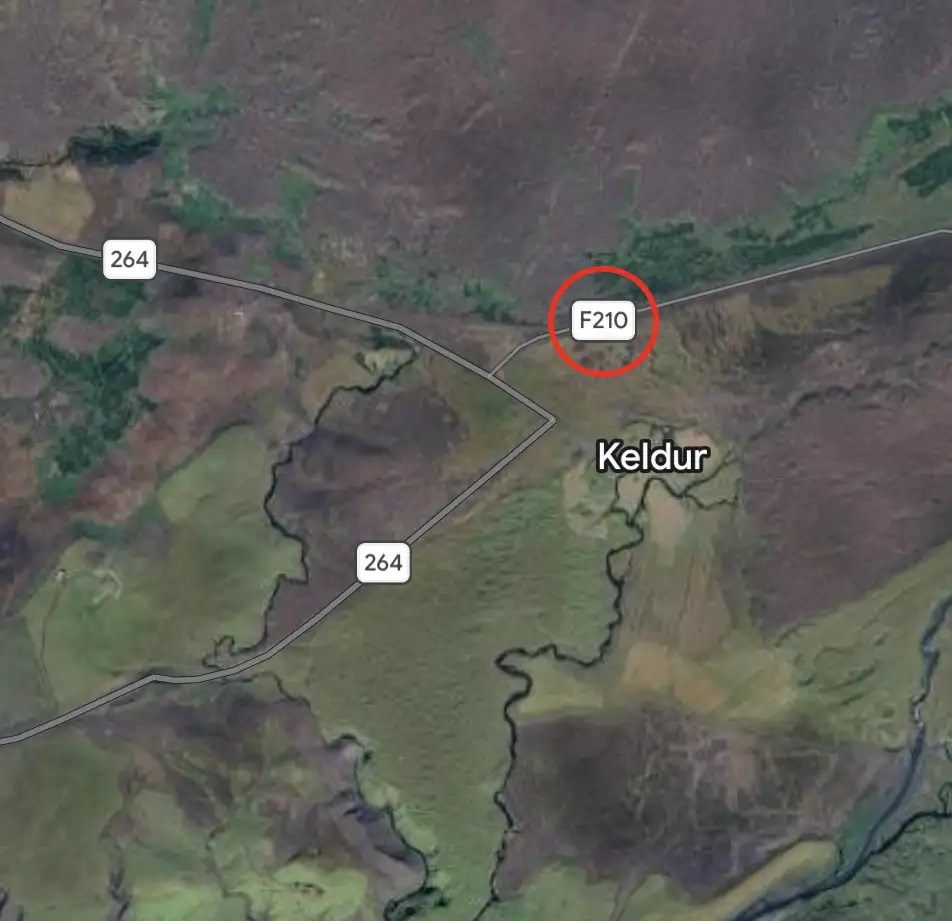
One type of road you can’t drive on with a standard hire car is an F-road. These are unpaved mountain roads that can be dangerous and require a 4WD vehicle. If you’re planning to use any F-roads during your trip, you’ll need to hire a 4WD and check that your rental agreement allows you to drive on them.
Would I Hire a Car in Iceland Again?
If you’re still deciding whether to hire a car in Iceland, I would definitely recommend it. Having our own car meant we were able to travel at our own pace and saw much more than we would have by just taking day tours from Reykjavík.
I was a little nervous about driving before our trip, mainly because I’m used to driving on the left and normally drive a much smaller car back home. But once I adjusted to driving on the opposite side of the road and being in a larger car, we had no issues driving around and I’d happily do it again.
If you don’t feel comfortable driving in Reykjavík, you can also return your hire car once you finish your road trip. We picked ours up at the airport and dropped it off in Reykjavík after five days. We then used public transport while we were in the city, which meant we didn’t have to worry about driving on busier streets or finding parking.